

Optimizing Patient Safety and Quality Care through Comprehensive Healthcare Risk Management

- Description
- Curriculum
- Reviews
Course Description: Optimizing Patient Safety and Quality Care through Comprehensive Healthcare Risk Management
This practical course provides healthcare professionals with the essential skills to proactively manage risk, enhance patient safety, and improve the quality of care in their department or area. You will learn a straightforward, step-by-step framework to systematically identify, analyze, and control potential risks before they can cause harm.
By the end of this course, you will be able to:
-
Recognize the key components of an effective healthcare risk management program.
-
Identify all potential risks—from clinical to operational—within your area of responsibility.
-
Analyze these risks to understand their potential causes and impacts.
-
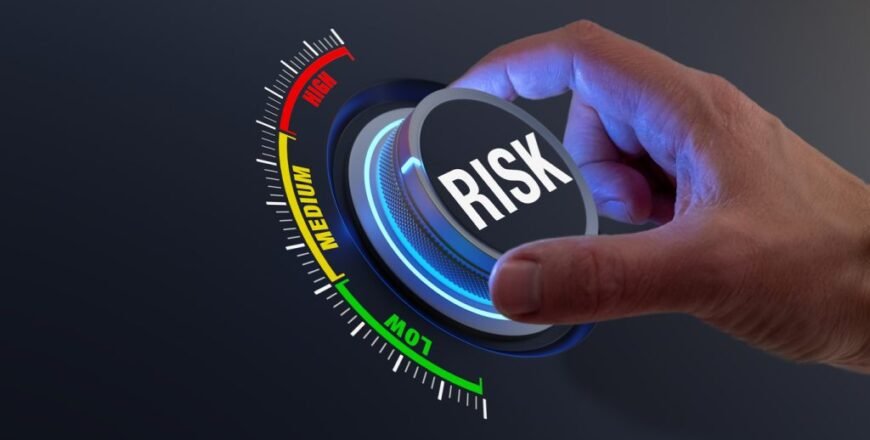
Evaluate and prioritize each risk using a standard risk matrix.
-
Determine practical strategies to control, treat, or eliminate the highest-priority risks.
-
Establish and maintain a functional risk register to track and manage risks in your area.
-
1
 1- Introduction
Patient safety introduction
-
2
 Quiz 1
 -
3
2- Risk management process
In this lesson you will learn about the components of Risk Management (RM). The key steps in the process are:
-
Identify
-
Analyze
-
Evaluate
-
Treat
-
Monitor/Review
-
-
4
Quiz 2
-
5
3- Risk Analysis
The lesson is focused on Step 2: Risk Analysis.
Risk analysis as the process of understanding the nature, sources, and causes of identified risks in order to estimate the level of risk. The ultimate goal is to arrive at an "Estimated level of risk."
-
6
Quiz 3
-
7
4- Risk Evaluate
The lesson covers the topic of Risk Evaluation.
Risk evaluation as the process of comparing estimated risk levels against pre-established criteria. The purpose of this step is to enable the ranking and prioritization of risks.
-
8
Quiz 4
-
9
5- Risk Treatment
The lesson covers the topic of Risk Treatment.
The key points are:
-
Decision Basis: Risk treatment decisions are based on the level of risk.
-
Action for High Risk: For higher-priority risks, the hospital must develop a specific action plan.
-
Action for Low Risk: Lower-priority risks may simply be accepted and monitored.
-
Responsibility: The department that identified the risk, along with the current risk owner, is responsible for managing it.
-
Escalation: Critical risks should be escalated to senior leadership.
-
-
10
Quiz 5
-
11
6- Patient safety key facts
Patient Safety: Key Facts
-
Patient safety is about preventing harm to patients during healthcare.
-
Medical errors are a leading cause of death and injury worldwide.
-
Common problems include medication errors, unsafe surgery, hospital-acquired infections, and diagnostic errors.
-
Good communication between healthcare workers and patients is vital.
-
Improving patient safety saves lives and reduces costs.
-
-
12
Quiz 6
-
13
7- Medical Errors
In this lesson you will learn about MEDICAL ERRORS
Definition: Medical error is an unintentional preventable mistake in the provision of care that has an actual or potential adverse impact on the patient.
-
A medical error may or may not result in ADVERSE EVENTS.
Types of medical error:
-
Missed and delayed diagnosis
-
Medication errors
-
Delayed reporting of results
-
Miscommunications
-
Postoperative complications
-
Inadequate postoperative care
-
Mistaken identity
-
-
14
Quiz 7
-
15
8- Medication Errors
In this lesson you will learn about Medication Error
Any preventable event that may cause or lead to inappropriate medication use or patient harm while the medication is in the control of the health care provider, patient, or consumer.
-
16
Quiz 8
-
17
9- Establishing a patient safety culture
In this lesson you will learn about:
-
Describe the role of Safety Culture as a component of safe and effective care
-
Explain the concept of Just Culture and its impact on organizational culture
-
Identify and apply techniques for implementing a culture of safety
-
-
18
Quiz 9
Healthcare Risk Management
All Medical Staff
جميع التخصصات الصحية
All Medical Staff
جميع التخصصات الصحية